Industrial Talcum Powder About
The composition of talc powder depends on whether you're referring to pure talc mineral or a commercial talcum powder.
1. Pure Talc (Mineral) Composition
- Chemical Name: Hydrated Magnesium Silicate
- Chemical Formula: MgSiO(OH)
- CAS No.: 14807-96-6
Typical composition:
| Component |
Approx. % |
| Magnesium Oxide (MgO) |
3032% |
| Silicon Dioxide (SiO) |
6064% |
| Water (as hydroxyl, OH) |
45% |
2. Commercial Talcum Powder
Commercial talcum powder may contain:
- Talc (typically 9099%)
- Fragrance
- Zinc Stearate (to improve slip)
- Preservatives (if required)
- Colorants (in some cosmetic products)
Typical Physical Properties
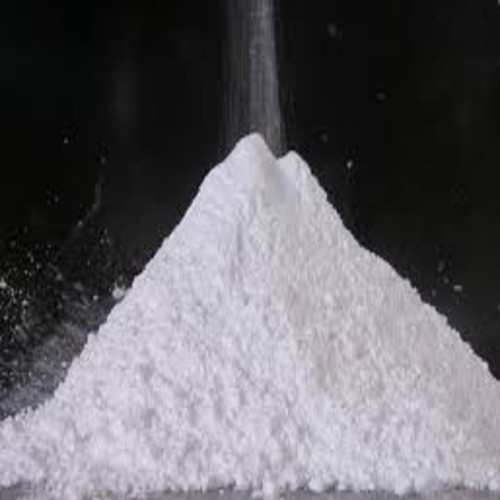
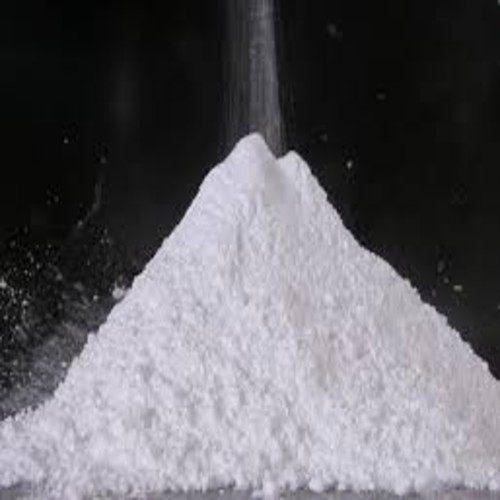
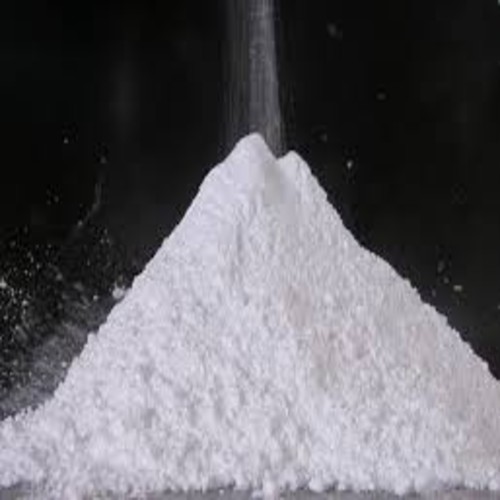
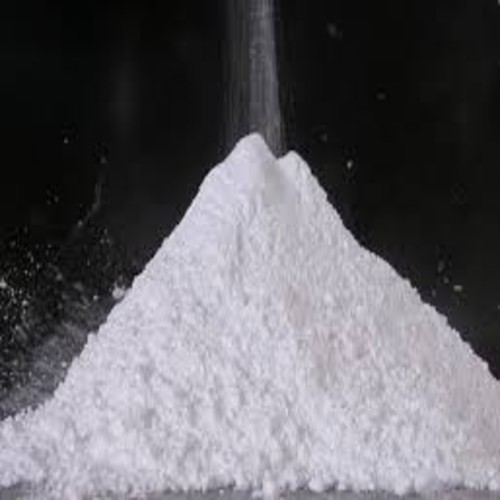
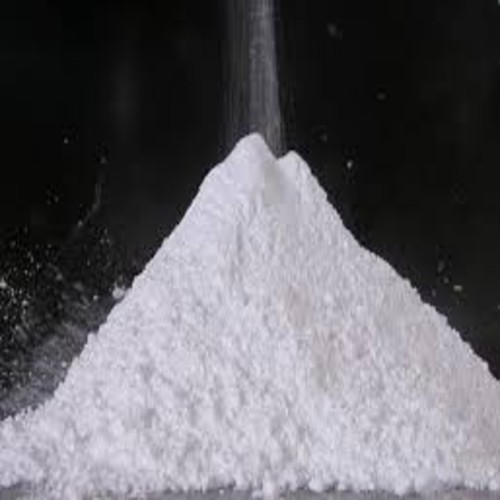
- Appearance: White to off-white fine powder
- Odor: Odorless (unless fragranced)
- pH: Approximately 79 (10% slurry)
- Specific Gravity: 2.72.8
- Mohs Hardness: 1 (softest natural mineral)
- Moisture: <0.5%
Industrial Grade Talc
Industrial talc used in paints, plastics, rubber, ceramics, paper, and detergents generally has:
- SiO: 5565%
- MgO: 2835%
- CaO: 03%
- FeO: 02%
- AlO: 03%
- Loss on Ignition (LOI): 47%
If you need the composition for export documentation, SDS/MSDS, cosmetics, pharmaceuticals, or industrial manufacturing, I can provide the specification in the appropriate format.
Versatile Applications Across IndustriesOur Industrial Talcum Powder serves as a key ingredient in numerous sectors such as ceramics, paints, rubber, plastics, paper manufacturing, cosmetics, and pharmaceuticals. With its remarkable whiteness and high purity, it enhances product quality, providing smooth textures and increased durability in final goods. The powder is highly appreciated for both its physical and chemical stability, enabling manufacturers to achieve consistent processing and performance outcomes.
Optimized Physical and Chemical PropertiesWith a controlled particle size (300-2500 mesh) and a bright white hue, this talcum powder stands out for its low oil absorption, Mohs hardness of 1, and pH value between 7 and 9. Insoluble in water yet soluble in acids, it ensures versatility in diverse chemical environments. The high-density (2.8 g/cm3) and refractive rate (1.54) also contribute to its effectiveness in specialized applications, delivering reliable results every time.
Safe, Durable, and Easy to StorePackaged in robust HDPE/PP bags (25/50 kg), this powder maintains quality over an indefinite shelf life as long as it is stored in a dry, cool location, protected from moisture. Compliant with established safety and quality standards, it is non-toxic, odorless, tasteless, and safe for a variety of uses. Its physical stability and high purity make it a trusted choice for both industrial and cosmetic manufacturing needs.
FAQ's of Industrial Talcum Powder:
Q: How is industrial talcum powder used in various industries?
A: Industrial talcum powder is incorporated as a filler and functional additive in ceramics, paints, rubber, plastics, paper, and cosmetics. It improves texture, enhances whiteness, and increases the durability of end products, making it essential for achieving consistent, high-quality results across different manufacturing processes.
Q: What are the benefits of using talcum powder with high whiteness and purity?
A: High whiteness (85-98%) and purity (95-99%) ensure that the talcum powder offers enhanced brightness and minimal impurities, resulting in superior color quality, uniform finishes, and improved performance in products like ceramics, paints, and cosmetics.
Q: How should industrial talcum powder be stored for maximum shelf life?
A: For an indefinite shelf life, talcum powder should be stored in tightly sealed HDPE or PP bags in a cool, dry place, away from direct moisture, as prescribed in the product standards. Proper storage prevents contamination and preserves the powder's quality and effectiveness.
Q: When is talcum powder added during the manufacturing process?
A: In most applications, talcum powder is added during the blending or mixing stages of production. Its fine particle size (300-2500 mesh) allows for easy dispersion, ensuring homogeneous distribution within ceramic slurries, polymer mixes, or paint bases.
Q: What makes this talcum powder suitable for cosmetic and pharmaceutical applications?
A: The powder's odorless, tasteless, and non-toxic characteristics, combined with its high purity and softness (Mohs hardness of 1), make it compatible with stringent cosmetic and pharmaceutical requirements. Additionally, it complies with relevant standards, ensuring user safety.
Q: Where is this industrial talcum powder typically exported and supplied?
A: This powder is supplied to customers worldwide and is commonly exported to regions with thriving manufacturing sectors, including Asia, Europe, and the Middle East. It is distributed through established exporters, suppliers, and traders serving various industrial clientele.
Q: What is the process for quality assessment of industrial talcum powder?
A: Quality assessment involves evaluating properties such as whiteness percentage, mesh size, moisture content, oil absorption, loss on ignition, pH level, and chemical composition. Each batch is tested to ensure adherence to specified standards like IS 9669:1980 or as per customer requirements.






 English
 Spanish
 French
 German
 Italian
 Chinese (Simplified)
 Japanese
 Korean
 Arabic
 Portuguese
 Send Inquiry
 Send Inquiry

