Sodium Hypochlorite About
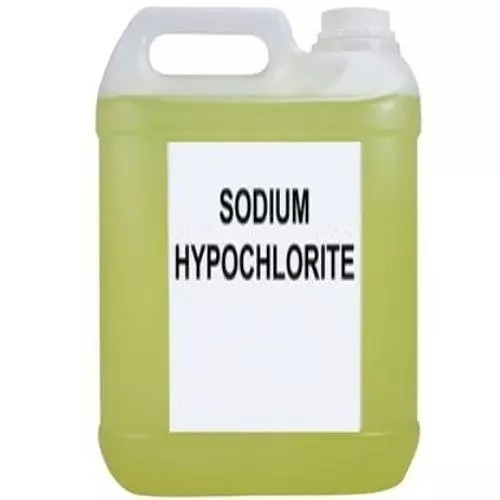
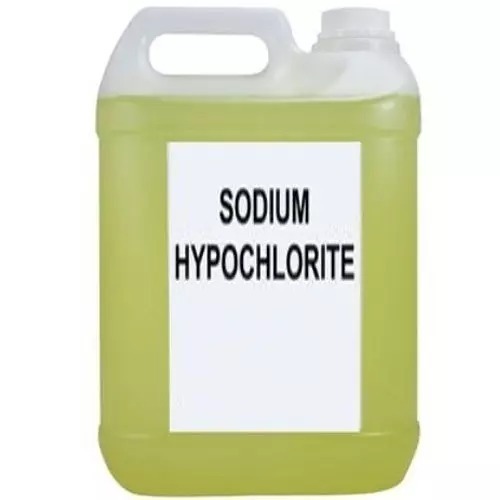
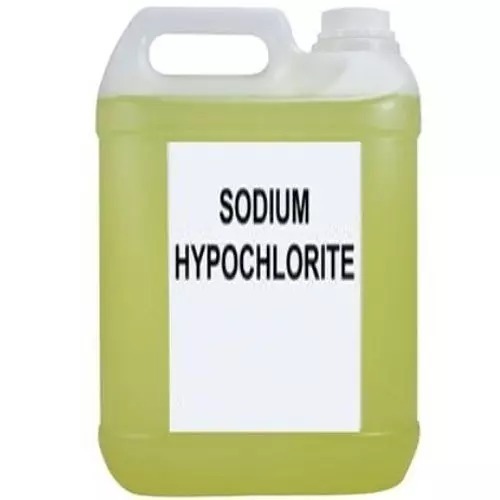
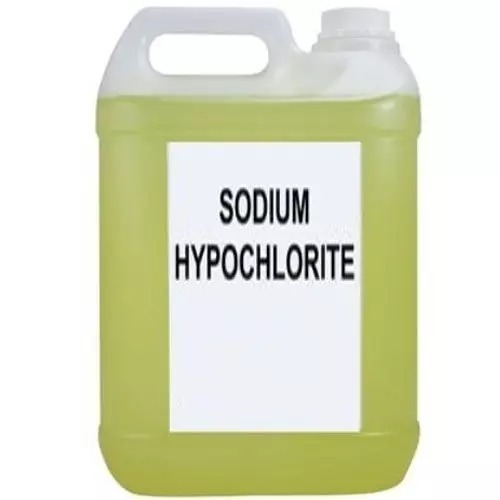
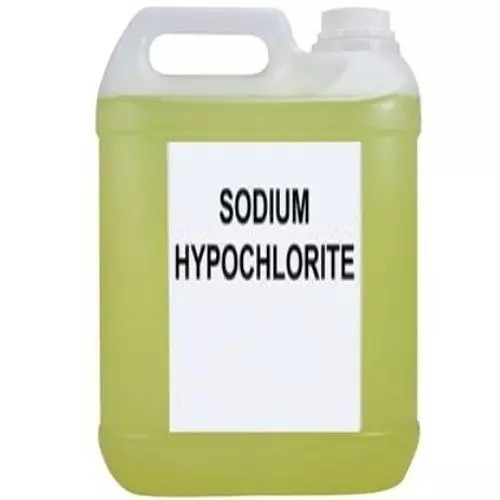
Sodium hypochlorite (NaOCl) is a widely used chemical best known as the active ingredient in liquid bleach.
Basic Information
Key Properties
-
Strong oxidizing agent
-
Alkaline in nature (pH typically 1113)
-
Decomposes over time, especially with heat and light
-
Reacts with acids to release chlorine gas (Cl)
Common Uses
-
Disinfectant & sanitizer (water treatment, hospitals)
-
Bleaching agent (textiles, paper, laundry)
-
Surface cleaning (household and industrial)
-
Used in swimming pool chlorination
Safety Precautions
-
Corrosive to skin and eyes
-
Avoid mixing with acids or ammonia (releases toxic gases)
-
Store in cool, dark, well-ventilated areas
-
Use protective gloves and goggles
Transport & Classification
HSN Code (India)
If you want, I can compare chlorine vs sodium hypochlorite, or help with concentration grades (like 5%, 10%, 12%).
Versatile Disinfectant and Bleaching AgentSodium Hypochlorite serves as a powerful solution for water treatment, sanitation, and bleaching processes in various industries. Its effectiveness in eliminating bacteria, viruses, and other pathogens makes it a preferred choice for municipal water facilities, laundries, and the food processing sector.
Safe Handling and Storage GuidelinesDue to its reactivity and instability when exposed to heat, light, or incompatible substances, Sodium Hypochlorite must be stored in a cool, well-ventilated area, away from acids and organic materials. Utilizing HDPE drums, carboys, or tankers for packaging helps ensure product safety and longevity.
Compliance and Quality AssuredManufactured to comply with established industry standards, Sodium Hypochlorite offers a purity of 10-12% as available chlorine and a density of 1.2 g/cm3. Each batch is supplied and traded in accordance with the prevailing regulations, including alignment with EINECS No: 231-668-3 and CAS No: 7681-52-9.
FAQ's of Sodium Hypochlorite:
Q: How should Sodium Hypochlorite be stored for maximum shelf life?
A: Sodium Hypochlorite should be stored in a cool, well-ventilated area, away from direct sunlight, heat, and incompatible substances like acids and ammonia. Using HDPE drums or similar containers helps preserve its quality and extends its shelf life to six months.
Q: What are the main applications of Sodium Hypochlorite in industry?
A: The primary uses of Sodium Hypochlorite include water treatment, surface disinfection, sanitation, and as a bleaching agent. Its efficacy in eliminating microbes and bleaching textiles makes it indispensable in municipal, industrial, and institutional settings.
Q: When does Sodium Hypochlorite become unstable or begin to decompose?
A: Sodium Hypochlorite begins to decompose at temperatures above 40C or when exposed to light and heat. Decomposition can reduce its effectiveness and may release irritating or toxic gases, so proper storage is essential.
Q: Where is Sodium Hypochlorite typically used for water disinfection?
A: Sodium Hypochlorite is commonly applied in municipal water treatment plants, swimming pools, and wastewater treatment facilities to disinfect and maintain safe, potable water supplies.
Q: What are the safety precautions for handling Sodium Hypochlorite?
A: As Sodium Hypochlorite is corrosive and toxic, it is important to use appropriate protective equipment such as gloves and goggles, avoid inhaling vapors, and never mix it with acids or ammonia due to hazardous reactions.
Q: How does Sodium Hypochlorite benefit water treatment processes?
A: Sodium Hypochlorite effectively eliminates bacteria, viruses, and other microorganisms, ensuring water safety for consumption and use, and helping prevent the spread of waterborne diseases.






 English
 Spanish
 French
 German
 Italian
 Chinese (Simplified)
 Japanese
 Korean
 Arabic
 Portuguese
 Send Inquiry
 Send Inquiry

