Liquid chlorine About
Liquid chlorine is the liquefied form of chlorine gas (Cl), stored under pressure or at low temperatures.
Basic Information
-
Chemical formula: Cl
-
CAS number: 7782-50-5
-
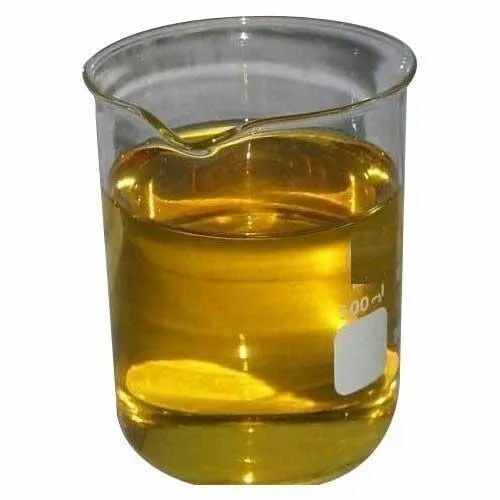
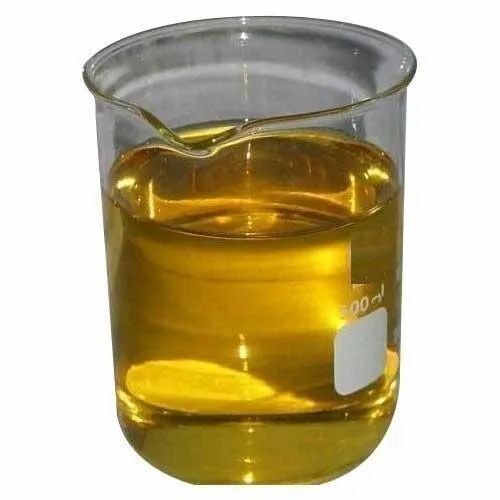
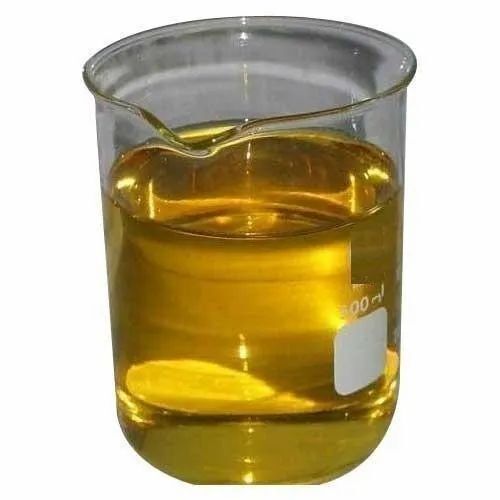
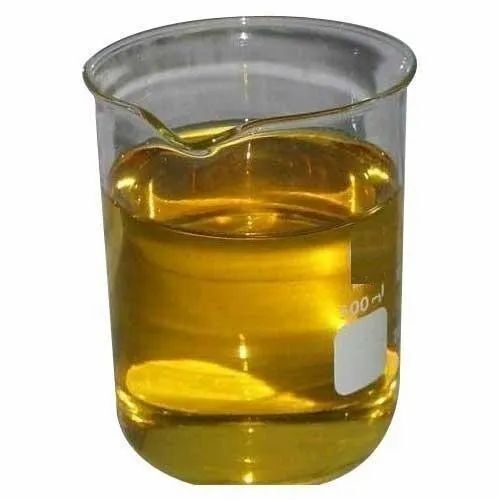
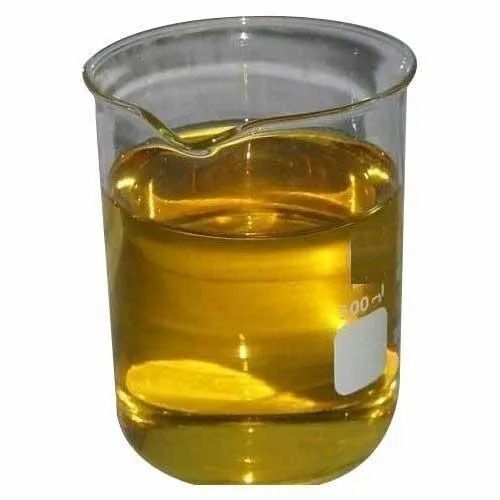
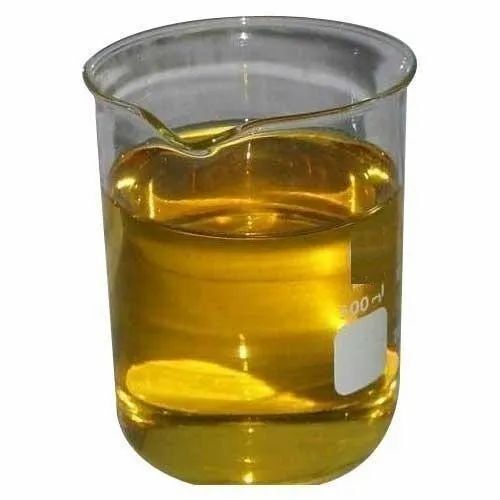
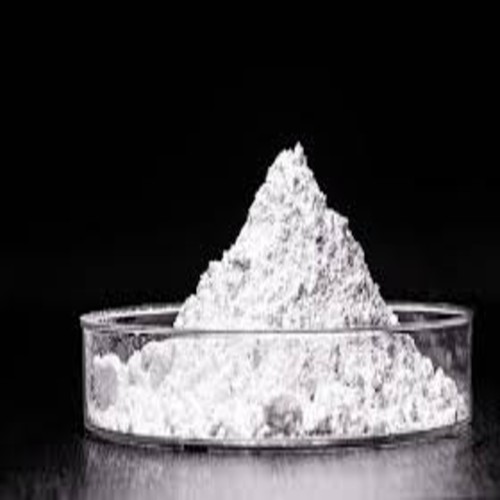
Appearance: Clear amber/yellow-green liquid
-
Odor: Sharp, pungent (bleach-like)
-
State: Gas at room temperature; becomes liquid under pressure
Key Properties
-
Highly reactive and strong oxidizing agent
-
Toxic and corrosive
-
Heavier than air (gas form can settle in low areas)
-
Reacts with water to form hydrochloric acid (HCl) and hypochlorous acid (HOCl)
Common Uses
-
Water treatment (drinking water & swimming pools)
-
Manufacture of PVC (polyvinyl chloride)
-
Production of bleaches and disinfectants
-
Paper and textile processing
Safety Precautions
-
Extremely toxic if inhaled
-
Causes severe irritation to eyes, skin, and lungs
-
Stored in pressurized cylinders or tanks
-
Requires proper ventilation and protective gear
Transport & Classification
Premium-Quality Industrial ChlorineOur liquid chlorine is produced to meet stringent industrial specifications, making it ideal for large-scale applications. The 75% purity ensures robust performance in water purification, disinfecting, and chemical production processes. Sourced from a prominent supplier in India, it meets national and international chemical standards.
Versatile and Reliable ApplicationThanks to its extensive solubility and stable boiling point of 135C, this liquid chlorine adapts effortlessly to various operational needs. It is widely utilized in water treatment plants and by manufacturers seeking reliable oxidizing agents for consistent quality outcomes.
FAQ's of Liquid chlorine:
Q: How is industrial-grade liquid chlorine typically used in industrial processes?
A: Industrial-grade liquid chlorine is mainly used in processes such as water disinfection, bleach manufacturing, and as an oxidizing agent in chemical synthesis. Its solubility and high purity make it efficient for large-scale operations.
Q: What makes this liquid chlorine suitable for industrial applications?
A: Its 75% purity ensures strong reactivity and effectiveness, while its liquid form and high solubility allow for easy integration into various systems. The controlled boiling point (135C) further supports safe and stable handling in industrial environments.
Q: When should liquid chlorine be added during a water treatment process?
A: Liquid chlorine is typically introduced during the primary treatment phase to help disinfect and remove harmful microorganisms, ensuring that water meets safety standards before further processing or distribution.
Q: Where can I source reliable liquid chlorine for industrial use in India?
A: You can source premium-quality liquid chlorine from established chemical suppliers and traders in India. They ensure product reliability, compliance with the CAS No: 7664-38-2, and offer technical support for industrial buyers.
Q: What is the correct process for handling and storing liquid chlorine in an industrial setting?
A: Liquid chlorine should be handled with appropriate protective equipment and stored in corrosion-resistant containers between controlled temperatures. Proper ventilation and adherence to safety protocols are essential to prevent exposure and ensure stability.
Q: What are the main benefits of using this grade of liquid chlorine?
A: Users benefit from high-efficiency disinfection, versatile application across industries, and compliance with recognized safety and purity standards. Its solubility and stable boiling point ensure seamless incorporation into various industrial processes.






 English
 Spanish
 French
 German
 Italian
 Chinese (Simplified)
 Japanese
 Korean
 Arabic
 Portuguese
 Send Inquiry
 Send Inquiry

