Alum Sulphate About
1. Aluminum Sulfate (Anhydrous)
- Chemical Name: Aluminum Sulfate
- Chemical Formula: Al(SO)
- CAS No.: 10043-01-3
- Molecular Weight: 342.15 g/mol
| Component |
Approx. % |
| Aluminum (Al) |
15.8% |
| Sulfur (S) |
28.1% |
| Oxygen (O) |
56.1% |
2. Commercial Aluminum Sulfate (Hydrated)
Commercial aluminum sulfate is often supplied as Al(SO)1418HO.
Typical specification:
| Parameter |
Typical Value |
| Aluminum Sulfate |
98% min |
| AlO (Aluminum Oxide) |
1617% |
| Iron (Fe) |
0.010.5% (depending on grade) |
| Water Insoluble Matter |
0.1% |
| pH (1% solution) |
2.53.5 |
| Appearance |
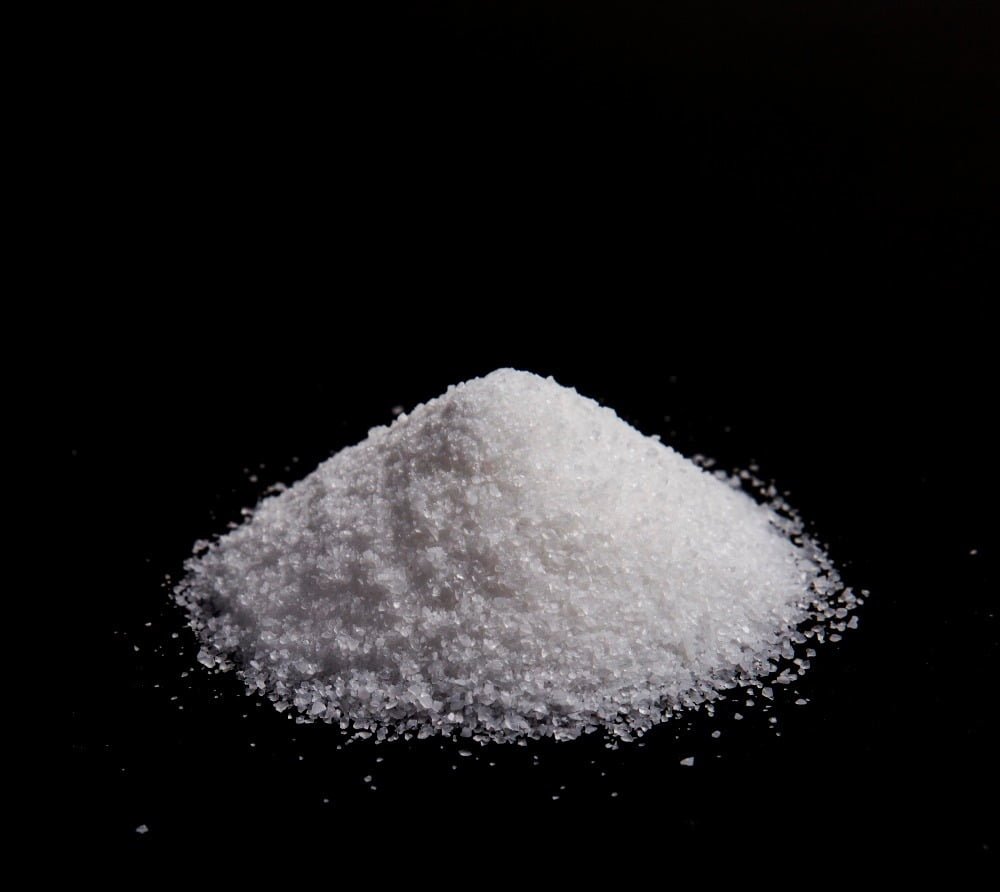
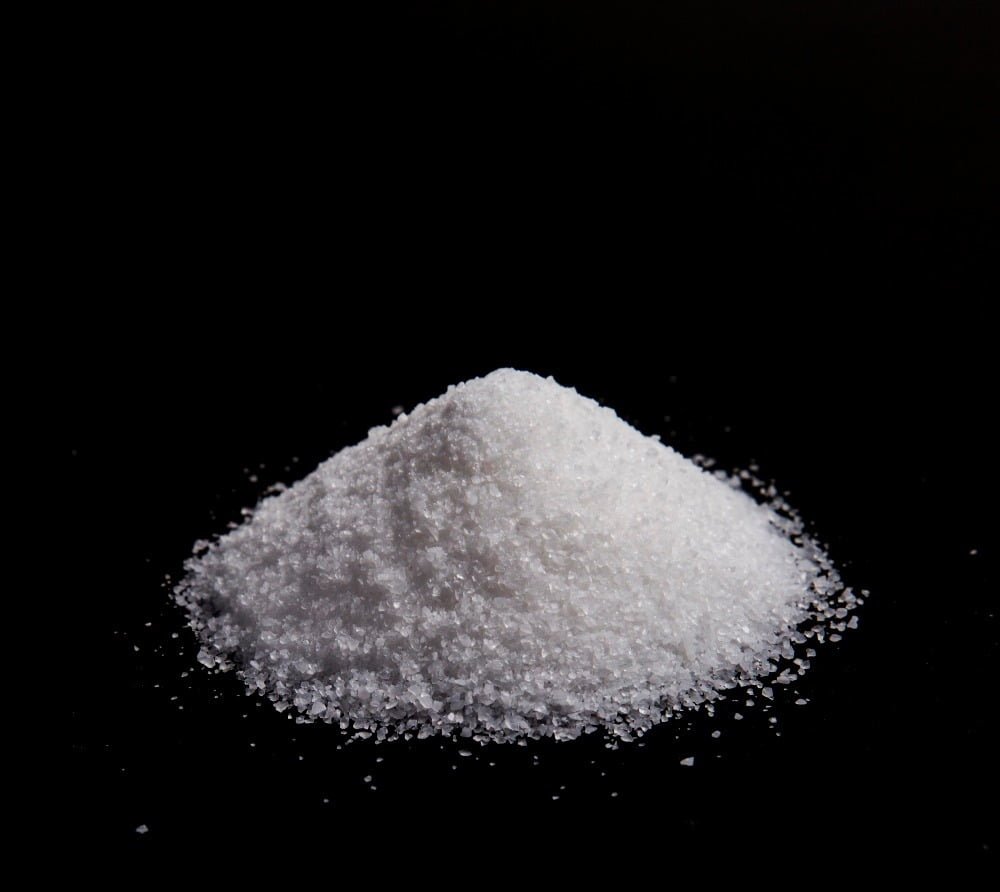
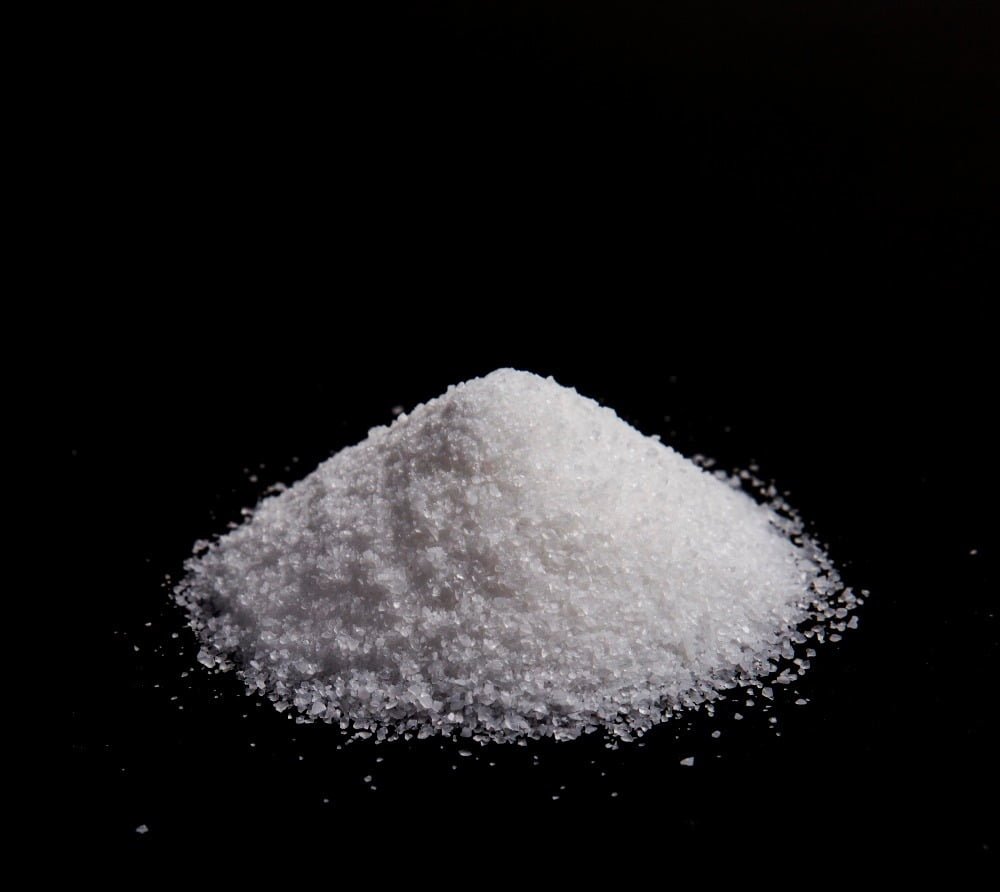
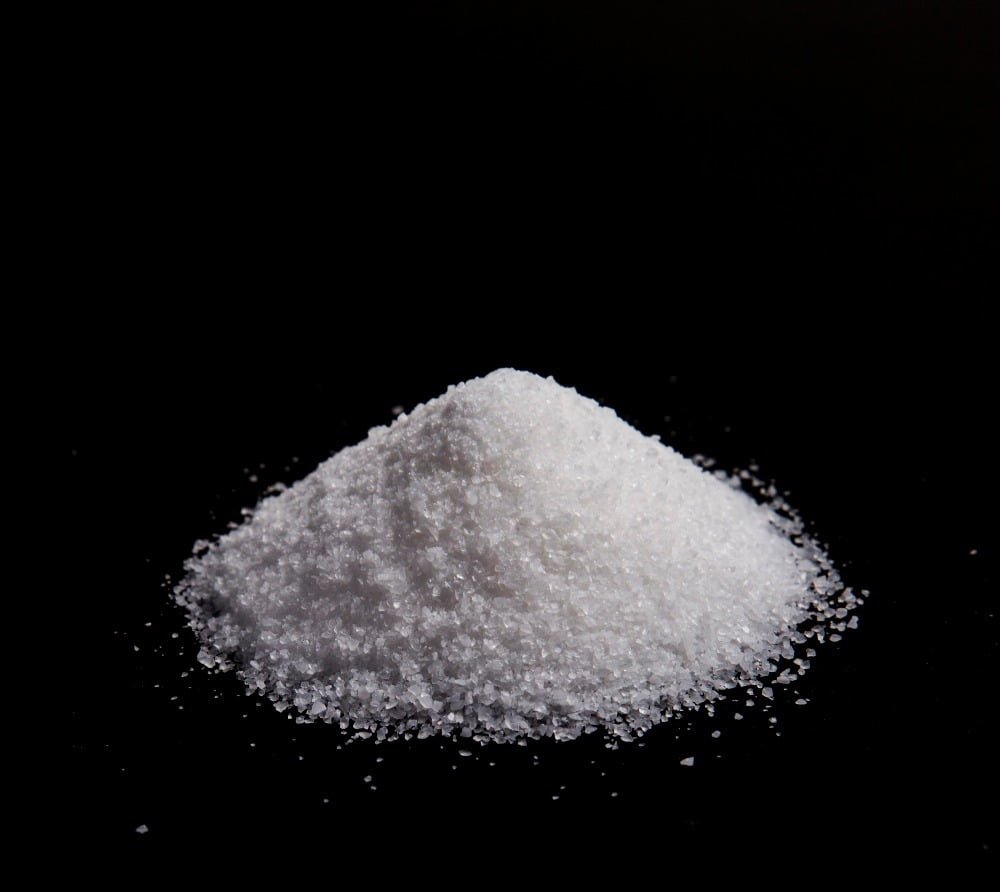
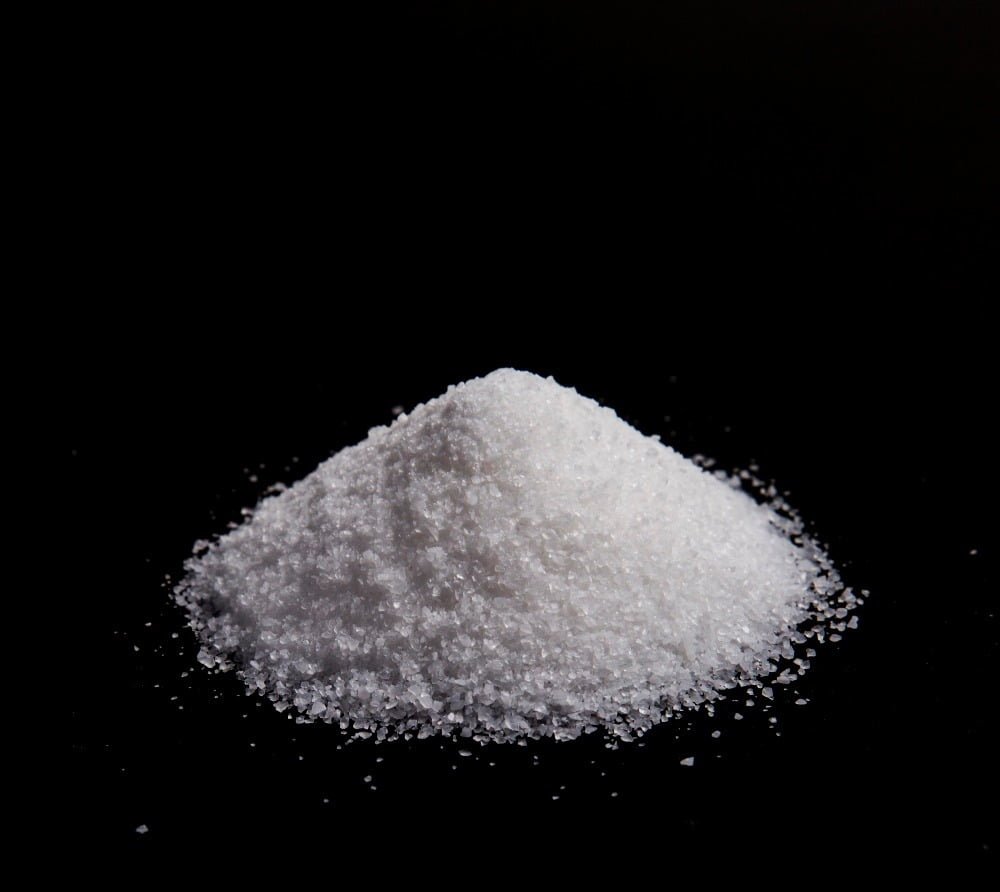
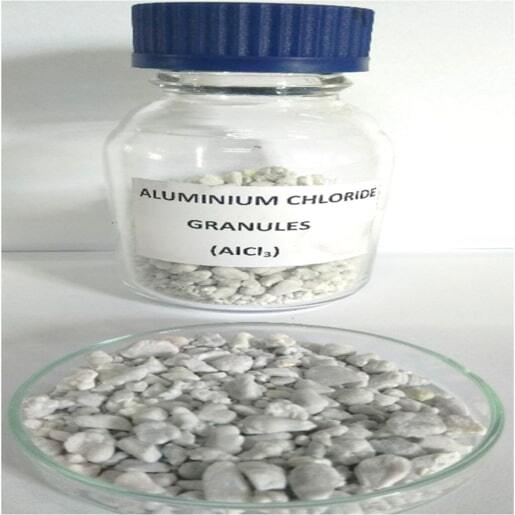
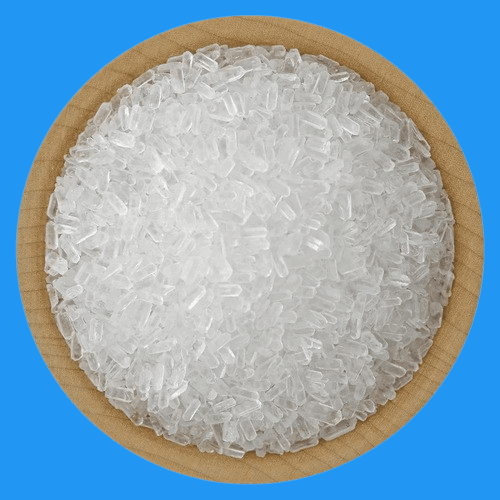
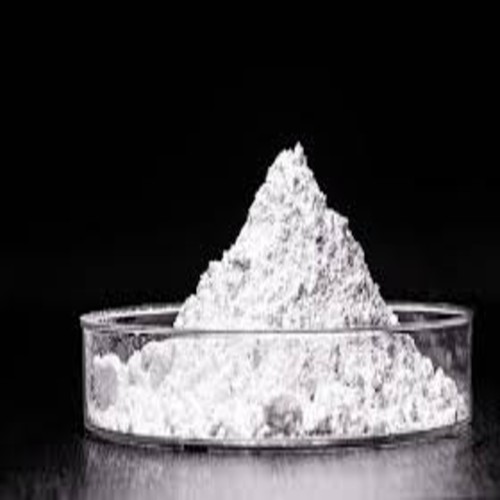
White granules, lumps, or powder |
Applications
- Water and wastewater treatment
- Paper manufacturing
- Textile processing
- Dyeing
- Leather tanning
- Construction chemicals
If you're referring to potash alum (Potassium alum), that's a different compound from aluminum sulfate. Let me know if you need its composition instead.
Versatile Applications Across IndustriesAlum Sulphate is valued for its astringent properties and effectiveness as a coagulating agent in water treatment, helping clarify and purify water. Its utility extends to paper manufacturing, dyeing, tanning leather, and fireproofing textiles, making it a cornerstone in various industrial processes. The product's stable chemical profile ensures consistency in industrial outputs.
Robust Quality and Safety StandardsFormulated to conform with IS 260:2001 specifications, Alum Sulphate is available in industrial and technical grades. It contains a minimum of 16% Al2O3 and a maximum insoluble matter of 0.5%. The compound is non-poisonous but may cause irritation-safety precautions, such as gloves and goggles, are recommended during handling to ensure user safety.
FAQ's of Alum Sulphate:
Q: How is Alum Sulphate typically used in water treatment processes?
A: Alum Sulphate acts as a coagulating agent in water treatment, binding with impurities to form flocs which are then easily removed, resulting in clearer, safer water.
Q: What are the main benefits of using Alum Sulphate in paper manufacturing?
A: It serves to improve paper quality by enhancing sizing and retention of fibers, resulting in stronger and smoother paper products.
Q: What safety precautions should be observed when handling Alum Sulphate?
A: It is advisable to wear protective gloves and safety glasses to prevent skin and eye irritation due to its astringent properties. Work in a ventilated area and avoid direct contact.
Q: Where should Alum Sulphate be stored for optimal stability?
A: Store Alum Sulphate in a cool, dry, and well-ventilated location to maintain its stability and effectiveness for up to 24 months.
Q: What is the standard packaging for Alum Sulphate and can it be customized?
A: Alum Sulphate is generally supplied in 25 or 50 kg HDPE bags, but packaging can be customized according to customer requirements.
Q: When does Alum Sulphate start to decompose, and what is its melting point?
A: Alum Sulphate decomposes at approximately 92.5C, and because it breaks down before boiling, no true boiling point applies.
Q: What grades and purity levels are available for Alum Sulphate?
A: Alum Sulphate is available in industrial and technical grades with purity levels of 98% or higher, and compositional specifications-such as Al2O3 content-can be customized to client needs.






 English
 Spanish
 French
 German
 Italian
 Chinese (Simplified)
 Japanese
 Korean
 Arabic
 Portuguese
 Send Inquiry
 Send Inquiry

